“More than flesh, a body - your “beat and beating heart.”
- Christina Sharpe, Beauty Is a Method
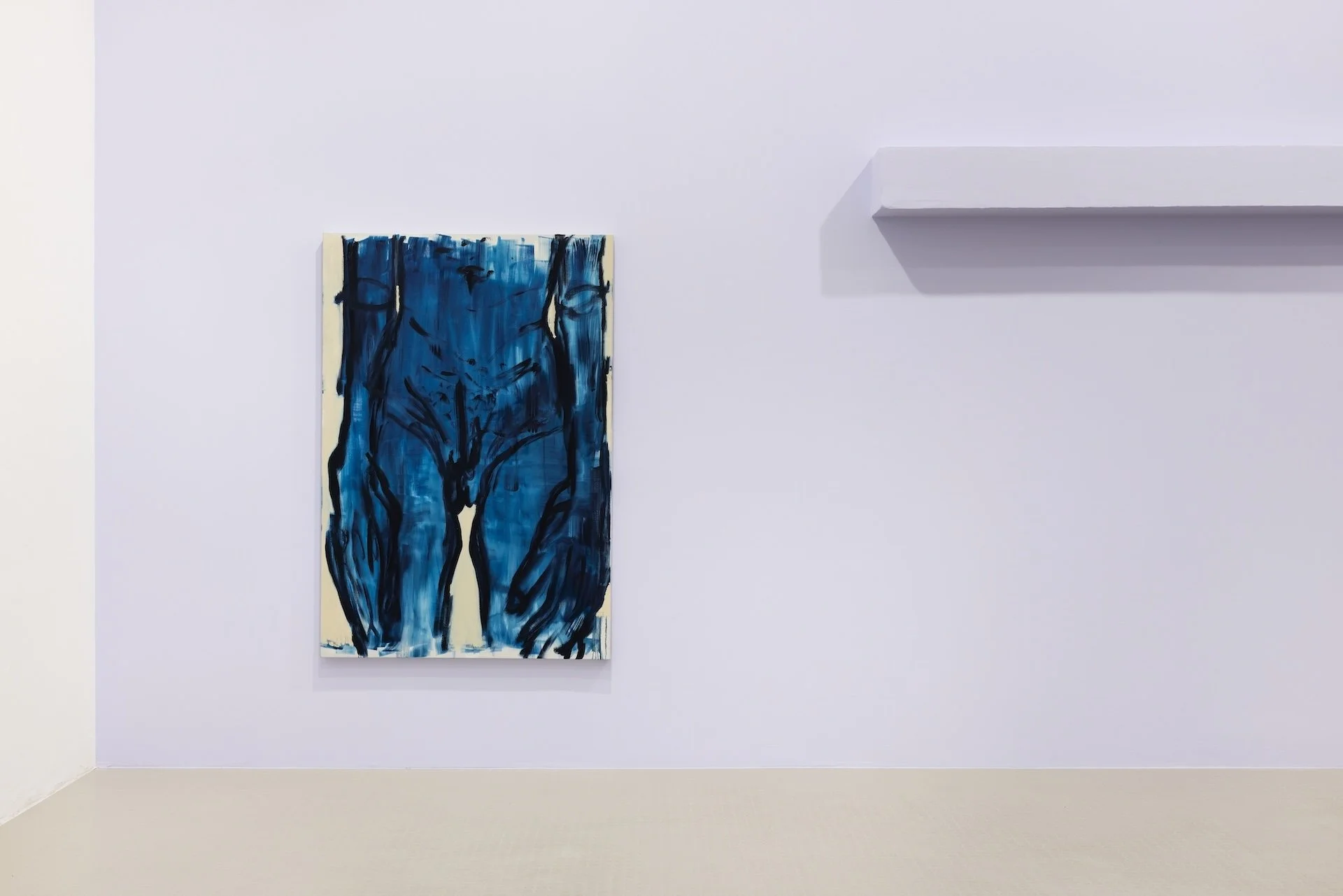
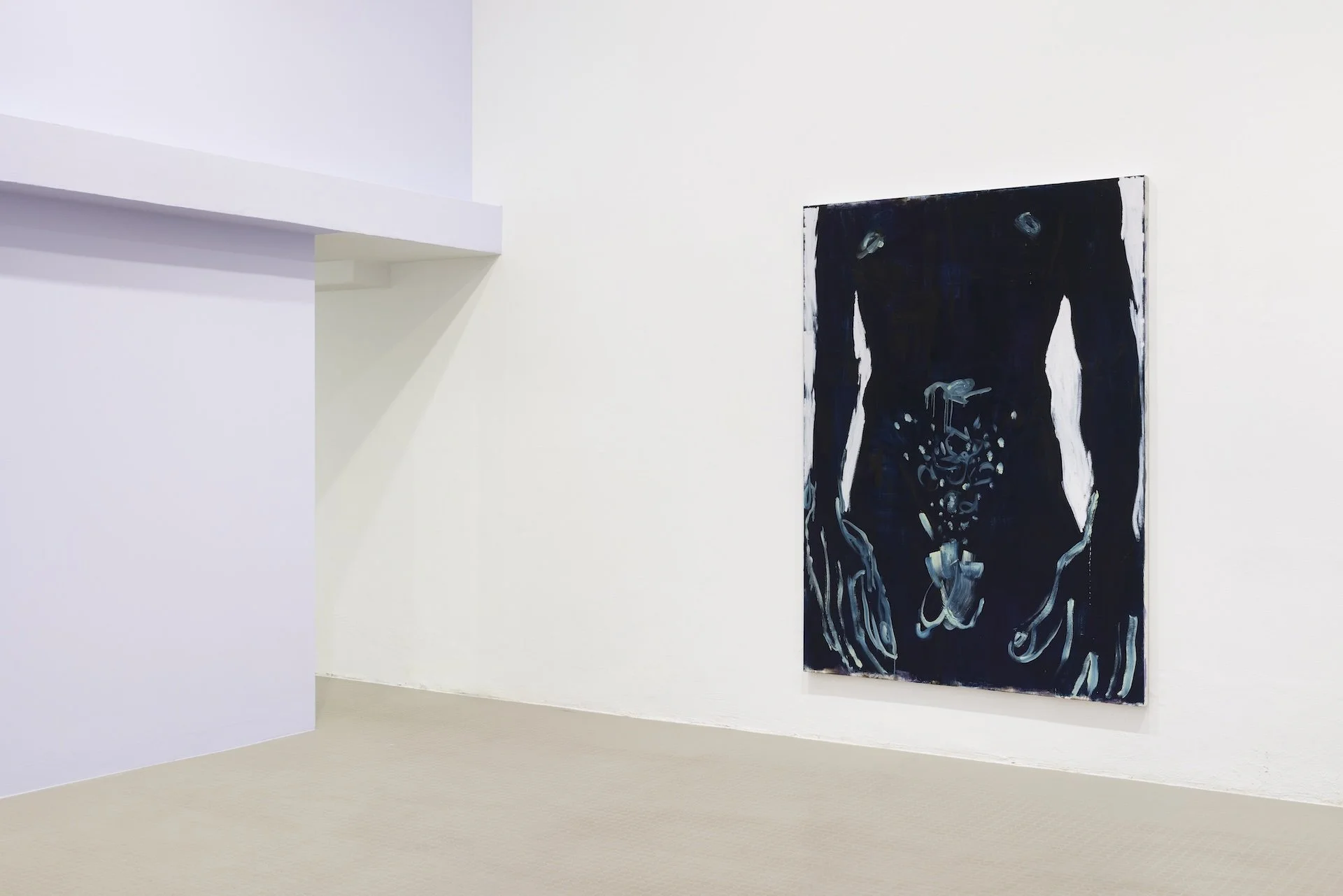
Gabrielle Goliath, Bearing, 2026 (ongoing)
Installation view, Raffaella Cortese, Milan (2026), photo by Andrea Rossetti, courtesy Raffaella Cortese
“Nota soprattutto per le sue installazioni immersive, sonore e performative, l’artista torna qui a lavorare con oli, acquerelli e pastelli. E il titolo stesso nel suo significato contiene una molteplicità di sfumature: portare, sostenere, sopportare, reggere il peso di qualcosa o qualcuno. I corpi protagonisti, neri, brown, femme, queer, sono infatti corpi che sostengono il mondo pur rimanendone ai margini. Figure che sembrano chiedere continuamente quale sia il costo dell’esistere dentro sistemi di esclusione, violenza e invisibilità. Eppure, nelle opere di Goliath, questi stessi corpi non vengono mai restituiti come vittime, ma al contrario, emergono nella loro vulnerabilità luminosa, nella capacità di costruire intimità, desiderio e alleanza.”
Caterina Angelucci
Artribune
“Collective grief, Goliath seems to propose in this body of work [Elegy] is a necessary tool for building solidarity — it constitutes a collective action, a precarious coalition of grievers, an impetus for change. How many revolutions have begun at a funeral? And, perhaps even more pointedly, how many atrocities have only deepened because of our failure to mourn?”
Aruna D’Souza
Hyperallergic
“In Personal Accounts, Goliath transforms silence into a form of testimony that is urgent and unmissable. The intervals between words, the tremor of a shoulder, the pause of a breath, carry histories of survival that cannot be reduced to speech alone.”
Simon Cartwright
Aesthetica
____
The copyright for any material published on this website is reserved. Any duplication or use of objects such as images, videos, sound files and texts is not permitted without the written agreement of the artist.
- Christina Sharpe, Beauty Is a Method
Gabrielle Goliath, Bearing, 2026 (ongoing)
Installation view, Raffaella Cortese, Milan (2026), photo by Andrea Rossetti, courtesy Raffaella Cortese